
Autumn is one of the best times of the year. Picture yourself in a relaxing setting, surrounded by the warmth and joy of the season – the sound of children’s laughs on Halloween, the rustle of leaves under your feet on a crisp fall day, the relaxing crackle of a fire, and the love and laughter of family gathered around the table on Thanksgiving. Now imagine that you can’t hear those things or that they are muted.
Missing out on these sounds can take the enjoyment out of the season. Fortunately, many hearing issues are non permanent and can be resolved by addressing underlying causes that are usually simple to correct or prevent. Follow these suggestions to safeguard your hearing and fully savor the autumn season.
Tips for preserving your hearing
There is unequivocal evidence showing that exposure to loud sounds can lead to temporary hearing loss and that long-term exposure can turn it into a long-term problem. Loud noises damage the sensitive parts of your inner ear, and you should do what you can to mitigate the issue.
A sudden, extremely loud noise like an explosion can trigger short-term hearing loss, and although prompt medical intervention may decrease the impact, it is tough to prevent. Prolonged exposure to sounds measuring 85 decibels or louder can cause hearing damage and is generally more preventable.
Heavy traffic comes in at 85 decibels, and sirens come in at 120 decibels. In addition to firecrackers and fireworks, loud music through earbuds can also present a danger to your hearing. Be cautious when increasing the volume, as the closeness of the sound to your eardrum can result in damage. (Regrettably, there are no exemptions for your favorite song when it comes to earbuds or headphones.)
Among the joys of autumn are outdoor gets together and performances. The weather is still beautiful, and you may find yourself in a park where you can set up a grill and lay down a blanket. Take care, though, if you sit right in front of the speakers, you might be confronted with a whopping 140 decibels. Even further away, the decibel level at concerts is often in the danger zone.
So what can you do?
The best thing you can do for yourself is to wear earplugs. You will still be able to hear the music and enjoy the fireworks, just with less possible damage to your hearing. As alluring as it is, try not to keep creeping closer to those speakers as the night passes.
Protect your ears from cold weather
It is imperative to protect your ears from infections as the temperature drops and the wind becomes more powerful. Make sure that you and your family are wearing ear protection like ear muffs or a hat. You might think of your children and grandchildren when you think of ear infections, but adults get them too. These infections cause fluid to build up in your middle ear, and they result in irritation. You might experience fluid draining from your ear, soreness, and hearing loss.
If you have an ear infection, you should consult a doctor right away. Not seeking treatment for this problem, which might be a warning of an underlying medical condition, poses risks to your well-being.
Safely clean out earwax
Earwax, despite being bothersome, plays a crucial part in snagging dirt, bugs, and debris to prevent them from reaching your inner ear. However, a surplus of earwax can become an issue, especially if it obstructs your ability to hear properly.
Prevention is essential to preventing hearing problems caused by earwax. You might have spent years reaching for a cotton swab or some other item to clean wax, but please break that habit. Using cotton swabs can jam earwax deeper into your ear, potentially leading to a blockage and impaired hearing.
Try cleaning your ears by putting in drops of hydrogen peroxide or buying over-the-counter drops. Allow the drops to sit for a little while, then incline your head to help with drainage. Think about consulting an audiologist or hearing specialist if ear cleaning seems daunting or if you suspect a severe blockage. They have specific tools to make the job easier.
Prescription or over-the-counter drugs might be to blame
An abbrupt decrease in your hearing abilities after beginning a new medication could be a side effect of the medication itself. Some antibiotics, high amounts of aspirin, and various medications like diuretics can cause issues with hearing. If you are worried about this matter, consult your doctor right away to find out whether you should continue taking your medication.
Remember, any changes in your hearing should get assessed immediately.
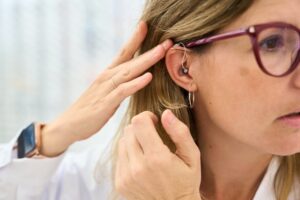
Get in touch with a hearing care specialist if you are noticing hearing loss this season.