
Offering better communication and an improved quality of life, hearing aids are usually life-altering. However, some individuals experience headaches when they first begin using hearing aids. While this can be aggravating, the good news is that these headaches are typically short lived and simple to manage with the right care and adjustments. Let’s dive into why these headaches happen and how to avoid or treat them!
Why hearing aids can lead to headaches
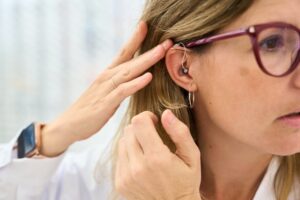
- Poor Fitting: Should your hearing aid lack a correct fit, it might put pressure on sensitive areas of the ear, which can cause headaches and general discomfort. If headaches are occurring with your new hearing aid, it’s probable an improperly fitted device.
- A Rush of Sound: It takes time for your brain to acclimate to processing the louder sound signals. Initially, hearing sounds you didn’t hear before– like background noise– can be overwhelming and trigger headaches. The good news is that this phenomenon is typically temporary and should correct itself soon.
- Excessive Volume Setting: If the hearing aids are set too loud, the increased auditory input can cause sensory fatigue, resulting in headaches. Try starting out at a lower volume and gradually raising over time as you acclimatize to your new level of hearing.
- Feedback and Whistling: A high-pitched whistling sound or feedback from hearing aids can annoy the ears and contribute to tension headaches. Contact your audiologist if your device is creating sounds that lead to agitation or annoyance.
- The Acclimation Phase: It is important to remember that Your brain needs a period of time to acclimate to your hearing aid. The brain will be re-learning how to process sounds during this adjustment phase, which can cause minor discomfort, including headaches.
How to manage and avoid headaches
- Seek a Proper Fitting: Have your hearing aids professionally fitted to prevent the formation of pressure points in your ear canal.
- Begin at a low volume and incrementally raise it to avoid overwhelming your auditory system.
- Utilize Noise Reduction: Newer hearing aids include features for background noise reduction. Consult your audiologist about adjusting the settings or getting a newer device if yours lacks this feature.
- Take Listening Breaks: To avoid sensory exhaustion during the adjustment phase, give your brain and ears a rest throughout the day.
- Maintain Regular Contact: Keep in contact with your audiologist for fine-tuning, especially if you feel discomfort from your device.
When to see a hearing specialist for your headaches
It’s time to see a hearing specialist if the headaches persist past the initial adjustment period or if they are coupled to additional symptoms, including ear pain, dizziness, or nausea.
Persistent headaches might suggest that your device settings are wrong or that there’s an underlying issue, including an ear infection or hearing aid malfunction.
The advantages of a correctly adjusted hearing aid
While hearing aid headaches can be frustrating, they’re usually temporary and are easily fixed with expert support. Properly fitted to your needs, the right hearing aid can substantially improve your life without causing discomfort. Make sure to contact your audiologist if you have any problems, as your hearing health and comfort are essential! At the end of the day, if your hearing aid is causing you pain, your audiologist knows you’re likely to stop wearing it.
Temporary Headaches are Normal
Headaches from hearing aids are common– they are just a minor setback on the road to clearer hearing. Your experience is common, and a few simple tweaks can probably fix the issue. The right care and fine-tuning will enable you to soon get back to enjoying conversations, music, and the subtle sounds of life.
Schedule an appointment right away if you are suffering from headaches caused by your hearing aids.