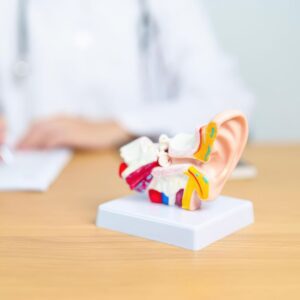

It is common knowledge that ears detect sound, yet the central nervous system is what truly allows us to hear. The peripheral auditory system gathers sound waves, but the brain’s auditory cortex translates them into meaningful information.
When hearing loss develops, the brain receives less information about sound. Over time, reduced stimulation can make listening more difficult and put additional strain on cognitive functions like memory and attention.
The latest generation of hearing aids provides sophisticated signal processing far beyond basic volume increases. These devices re-establish high-frequency inputs, ensuring the brain maintains its neuroplastic engagement with the world.
This overview is designed for individuals ready to explore professional hearing rehabilitation. Below, we’re going to talk about how advanced hearing aids can support both hearing and brain health, and how taking action early can make all the difference.
How the Ears and Brain Collaborate to Process Sound
The act of hearing is a sophisticated biological collaboration between the peripheral and central systems.
The process begins as sound waves strike the eardrum after traveling through the ear canal. From there, tiny bones in the middle ear transmit vibrations to the inner ear, where specialized cells convert the vibrations into electrical signals.
This bio-electric information is then propelled along the auditory nerve toward the brain, which immediately manages the following interpretive duties:
- Extracting words from raw noise
- Managing the signal-to-noise ratio to isolate speakers
- Deriving intent and nuance from vocal inflections
- Connecting sounds to memory and language
Essentially, the auditory process is a high-demand cognitive task, far more than a simple mechanical event.
The Risks of Auditory Deprivation: Impact on the Brain
When hearing loss goes untreated, the brain must work much harder to understand speech and everyday sounds.
Loss of Neural Plasticity in the Auditory Cortex
Consistent stimulus is required to keep auditory synapses firing; without it, these essential neural connections begin to weaken. Permanent changes in the brain can occur if the auditory pathways remain inactive for too long.
Increased Risk of Cognitive Decline
Extensive data suggests that untreated hearing loss is a significant modifiable risk factor for late-life cognitive impairment. Researchers believe this occurs because the brain must reallocate resources to decode sound, leaving fewer available for memory and thinking tasks.
How Hearing Loss Influences Emotional Well-being
Difficulty hearing inevitably impacts social connectivity, causing many to withdraw from situations that were once enjoyable. Ultimately, isolation starves the brain of the varied stimuli needed for cognitive health and emotional stability.
How Contemporary Devices Support Brain Health
The latest devices are engineered to restore the natural nuances of sound, delivering a cleaner signal for the brain to process.
How Clarity Drives Brain Engagement
Hearing aids restore many of the frequencies that hearing loss may reduce or eliminate. This complete data set allows the brain to decode language without the stress of constant guesswork.
Minimizing Neural Over-Exertion with Hearing Aids
In the absence of technology, the brain is forced into a state of “phonemic restoration” that is unsustainable and mentally draining. These devices act as a “neural filter,” letting the brain process information with far less daily strain.
Enhancing Attention Spans Through Auditory Support
Lifting the auditory burden allows for better recall and deeper engagement in complex social settings.
Scientific Evidence: Hearing Aids and Cognitive Longevity
Data confirms that adults who proactively use hearing aids are more likely to retain their memory and logic skills than those who ignore the loss.
This benefit is largely driven by neuroplasticity—the brain’s inherent capacity for structural and functional reorganization. Providing a consistent acoustic signal helps maintain the “firing” of neurons in the auditory cortex, preserving neural health.
The Advantages of Early Audiological Care
Delayed treatment allows auditory deprivation to take root, making future neurological rehabilitation significantly more difficult.
Conversely, proactive care ensures the brain never enters a state of deep deprivation, preserving its functional clarity. Many people also find that adjusting to hearing aids is easier when treatment begins sooner rather than later.
Identifying the Ideal Candidates for Hearing Care
Modern devices are highly beneficial for anyone experiencing the following:
- Mature adults looking to maintain cognitive sharpness
- Patients who report poor speech discrimination in loud settings
- People who feel mentally exhausted after conversations
- Patients struggling with “cocktail party effect” or muffled sound
If you recognize these patterns, our specialists can help you find a solution that supports both your ears and your brain.
What You Need to Know About Sound and Your Mind
Can Hearing Aids Stop Cognitive Decline?
The use of technology doesn’t “stop” dementia, but it preserves the mental energy needed for long-term health.
How long does it take for the brain to adjust to hearing aids?
Expect a short adjustment period as your brain’s auditory pathways reactivate and reorganize to the new sound environment.
The Impact of Amplification on Short-Term Memory
While they aren’t “memory pills,” hearing aids free up the cognitive space needed for better recall by lowering the cost of hearing.
The Final Word on Auditory and Cognitive Wellness
Protecting your ears is one of the smartest things you can do for your mind, allowing for comfortable speech processing and sustained social life.
If you’d like to learn more about hearing loss, cognitive function, and how today’s hearing innovations can help, get in touch with our team! Contact us today.