
Hearing loss frequently begins so gradually that it’s simple to ignore it. When dialogue sounds indistinct and group events become draining, certain people are still reluctant to move forward. The reluctance is frequently based not in the devices themselves, but in the symbolism they connote.
Despite how common hearing loss is, many still associate hearing aids with aging, mental decline, or loss of independence. Apprehensions include seeming “old” or being perceived as less competent or less participative by others. While such apprehensions are justified, today’s advanced options have made any negative ideas about hearing aids a thing of the past.
Current hearing aids are effective, subtle devices created not to define you, but to assist you in engaging with life more fully. Deciding to improve your hearing is an obvious sign of actively managing your well-being, not just increasing years.
A modern view of hearing aids
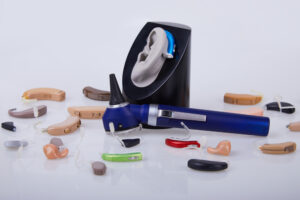
Hearing aids should be viewed just like glasses, fitness trackers, or smartphones– as advanced technology that improves your day-to-day life. Current hearing aids are surprisingly small, comfortable, and nearly unseen.
With the World Health Organization stating that 1.5 billion people are struggling with some degree of hearing loss, you are in a large group. Often, hearing aids return more than just the ability to hear; they re-establish confidence, self-reliance, and comfort in daily communication.
Crucial improvements in hearing aid technology
Many hearing aids offer wireless connectivity to phones or television, seamless streaming of music and calls, and automatic calibration to the surrounding sounds.
AI Capabilities
- AI and machine learning personalize sound by studying your listening behavior to instantly adjust settings, optimizing the device with continued use.
- Employing AI-powered deep neural networks, devices can filter speech from noise, cutting down on distractions but not sacrificing understanding.
- These devices can automatically adjust settings according to the environment, ensuring the best possible sound quality.
Sensory Monitoring
- Many models now feature sensors for health monitoring, which track vital signs such as heart rate and body temperature, in addition to activity levels and fall detection.
- Wellness tracking: The collected data can be used for personal health management, providing real-time insights into your overall well-being.
Integration Features
- Bluetooth and streaming: Seamlessly stream audio from smartphones, TVs, and other devices directly to your hearing aids.
- This new technology, Auracast, allows public spaces to broadcast audio directly to compatible devices, including hearing aids, in settings like conference centers or airports.
- During calls, some models provide two-way audio, making clarity better for the user and the person they are talking with.
- Greater convenience and reliability than traditional disposable batteries are offered by rechargeable options, which are rapidly becoming standard.
- Remote adjustments by hearing specialists are possible, which makes follow-up appointments easier.
- Discreet designs: Miniaturization has led to smaller, more comfortable, and more discreet designs, which helps to reduce stigma.
- Advanced tinnitus relief and real-time language translation are specialized features that some devices now include.
- Maintain greater awareness of your surroundings for increased safety and calmness.
- Promote sharper thinking: Ensuring brain stimulation through hearing supports long-term mental health, as studies show untreated hearing loss can accelerate cognitive decline.
- More confidence and connection: Re-engage in social activities, family events, and moments that matter most.
- Renewed joy in sound: Hear sounds like laughter, music, and nature’s subtleties again– the little details that make life richer and more beautiful.