Auditory obstruction can be disorienting, often making you feel isolated from the world around you. Many people immediately fear they’re experiencing irreversible hearing loss when, in reality, the culprit may be something much more basic: earwax buildup.
Differentiating between a cerumen blockage and true hearing impairment is vital for determining if you need a simple cleaning or a formal diagnostic exam. In the event you are experiencing dull hearing, remain calm. An exam can help you uncover the source of it, but in the interim, here’s what you should consider about earwax buildup (also referred to as earwax blockage) vs. permanent impairment.
How to Recognize a Cerumen Impaction
Earwax is essentially a beneficial, natural secretion designed to protect the ear canal from dust and external debris. Clinical complications only manifest when the wax fails to move out of the ear, leading to a significant buildup or blockage.
Frequent signs of earwax buildup consist of:
- A significant decrease in hearing level
- A sensation of canal fullness or a “clogged” feeling
- General ear discomfort or mild aching
- Localized tinnitus within the impacted ear
- Auditory sharpness that shifts or improves momentarily with jaw movement
A signature of wax-induced sound fluctuations is imbalance, usually impacting one side over the other. Thankfully, extracting the blockage generally clears the signs immediately.
Identifying the Markers of Irreversible Auditory Decline
Unlike a temporary blockage, nerve-based hearing deficit typically advances steadily over years and is not resolved by clearing the ear.
Symptoms of actual auditory impairment may include:
- Challenges with speech intelligibility in busy or noisy settings
- Frequently requesting others to restate themselves
- Adjusting media levels to a point that others find uncomfortable
- Trouble catching treble sounds like nature or children’s voices
- Two-sided hearing changes that impact both ear canals at once
A vital difference is that actual loss lacks the tangible “plugged” feeling that follows an earwax impaction.
Quick Guide: Earwax vs. Auditory Decline
A few basic signs can help you determine whether you are contending with a treatable obstruction or a more permanent change:
- Timing: Obstructions can feel instant, while hearing loss is virtually always slow
- Permanence: Clogs are a quick fix, while nerve loss requires ongoing management
- Sensations: Physical “clogging” points to wax, while the inability to differentiate sounds points to impairment
- Symmetry: Blockages are often asymmetrical, but lasting loss is frequently two-sided
The Risks of At-Home Cerumen Removal
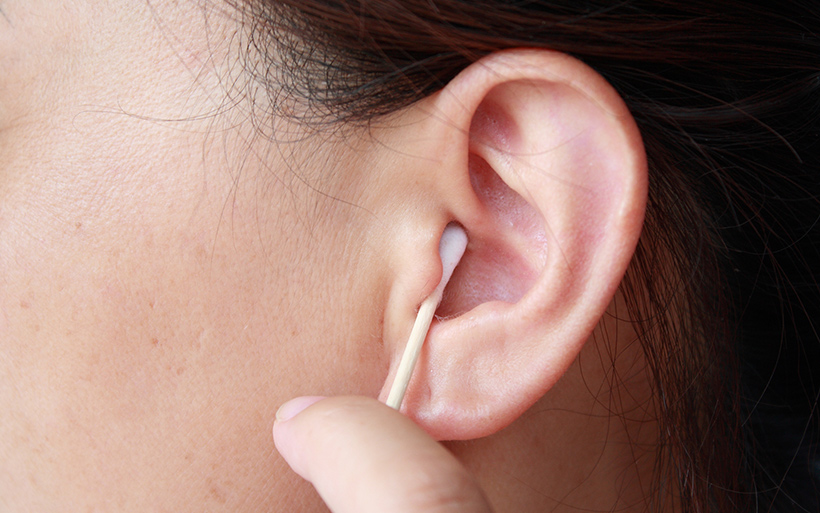
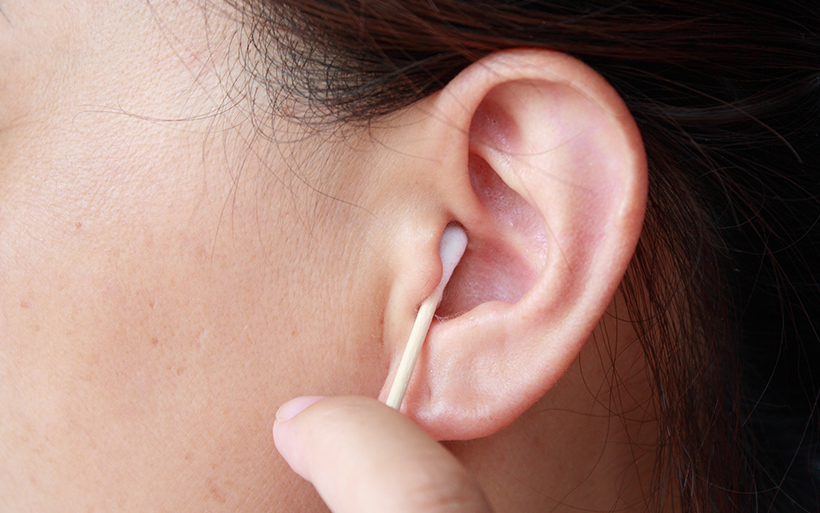
When auditory input feels muffled, the natural desire is to use a cotton bud, but this is frequently a hazardous decision. Using external items typically shoves the obstruction deeper into the ear, heightening the risk of injury.
According to the National Library of Medicine, inserting objects into the auditory canal increases the likelihood of blockage and trauma.
On the flip side, assuming a concern is merely wax when it is actually auditory impairment can hinder you from obtaining the assistance you need to remain engaged.
Ways a Clinical Evaluation Helps
A brief professional check-up is the primary way to verify if wax is actually the source of your muffled auditory issues.
If a blockage is found, a professional can clear it safely, often restoring your hearing immediately.
Should the auditory canal be clear but hearing struggles continue, a hearing test can evaluate if auditory impairment is present and determine its type and degree.
The NIDCD recommends immediate assessment whenever changes in hearing interfere with your everyday routine.
Finding the Correct Solution for Better Hearing
Muffled auditory input doesn’t always indicate permanent trauma.
In numerous cases, cerumen accumulation is the source, and it’s highly treatable.
A clinical evaluation will give you the clarity you require to advance without concern.
Remember: The sole reliable way to distinguish the difference between cerumen impaction and auditory impairment is with a clinical evaluation.
Finding clarity early can avert pointless worry and ensure you receive the right treatment at the right moment.
If your auditory sense feels diminished, don’t guess. A brief exam can provide all the difference, so contact our team of specialists today.