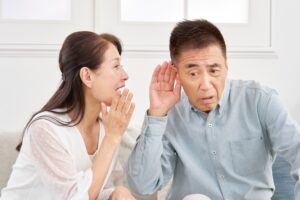
Waking up at the start of the day and realizing you have lost your hearing is a frightening experience for anyone. The experience of dropping auditory function instantly, particularly in the lack of pain, is naturally jarring. Though certain triggers are short-term and easy to resolve, others necessitate rapid clinical intervention.
Identifying the frequent catalysts for fast hearing loss and responding quickly can significantly alter your recovery path. In the following sections, we analyze the nature of abrupt hearing loss, its potential origins, and the criteria for professional consultation.
Understanding Rapid Auditory Decline
We define sudden hearing loss as a sharp drop in hearing sensitivity that typically manifests within a seventy-two-hour window. It may affect one ear or, less frequently, both. Individual experiences vary from clouded hearing and tinnitus to a distinct sense of congestion or vocal distortion.
Sudden Sensorineural Hearing Loss (SSHL)
Among all triggers, Sudden Sensorineural Hearing Loss requires the most immediate medical assessment.
We categorize this loss as damage to the inner ear or the complex nerve systems responsible for sound transmission. The source is frequently idiopathic, though medical professionals point to several likely contributing elements:
- Restricted circulation within the cochlear system
- Swelling or immune response
- Viral infections
- Neurological factors
Since the window for effective treatment is so narrow, SSHL is handled as an urgent crisis where early care dictates the outcome.
Viral Infections
Certain viral infections can temporarily or permanently affect hearing by inflaming the inner ear or auditory nerve.
The following viral conditions are frequently paired with sudden onset hearing issues:
- Normal upper-airway viral activity
- The annual flu virus
- Herpes-based infections
- Secondary hearing effects after a COVID-19 infection
Hearing symptoms often manifest during the height of an illness or in the early recovery phase, sometimes with vertigo.
Traumatic Triggers for Hearing Change
A strike to the cranium, abrupt shifts in pressure, or high-decibel sound can injure delicate structures inside the ear.
Common drivers of injury-based hearing loss involve:
- Severe brain injuries or concussions
- Rapid fluctuations in atmospheric pressure
- Intense acoustic trauma
- Physical displacement of inner ear fluids
Don’t ignore minor trauma, as rapid hearing changes post-injury often signal underlying damage.
Earwax Buildup or Blockage
While cerumen buildup is typically minor, a significant blockage can trigger an immediate shift in hearing perception.
Symptoms of impacted cerumen typically:
- Develop quickly
- Present as a steady internal pressure
- Be more pronounced on one side
- Resolve once the blockage is professionally removed
Importantly, it’s not always possible to tell at home whether hearing loss is due to wax or a medical crisis. Therefore, seeking a professional clinical opinion is the only safe course of action.
Other Possible Causes of Sudden Hearing Loss
Secondary factors to sudden hearing loss may include:
- Pharmaceutical side effects
- Circulatory system irregularities
- Systemic autoimmune attacks on the inner ear
- Benign growths impacting the auditory nerve
A comprehensive hearing evaluation helps rule out these possibilities.
Why Acting Fast Matters for Sudden Hearing Changes
The most crucial takeaway regarding rapid hearing changes is to avoid a wait and see approach.
Fast evaluation can:
- Determine if the hearing loss is clinically reversible
- Improve the effectiveness of treatment
- Prevent further hearing damage
- Minimize the impact on your future ability to communicate
Hearing assessment plays a pivotal role in determining the type and severity of hearing loss and guiding next steps.
When to Seek Immediate Help for Sudden Hearing Loss
It is vital to get prompt medical or audiology care if you experience:
- A rapid drop in hearing sensitivity in one or both sides
- Hearing impairment coinciding with physical instability
- Buzzing or pressure that appears suddenly
- Auditory decline after illness or injury
Though hearing returns partially, evaluation is still important to find out what’s going on.
Rapid Diagnostics for Auditory Clarity
Audiology diagnostics can quickly clarify whether hearing loss is:
- Related to mechanical blockages or conductive barriers
- Sensorineural, affecting the inner ear or auditory nerve
- Temporary or potentially permanent
Timely testing supports faster treatment decisions and better outcomes.
Why Immediate Action Is the Best Response
It is normal to feel panicked by sudden deafness, but immediate professional help offers the best chance for success.
By prioritizing a professional hearing check-up, you protect both your auditory function and your mental well-being. We are standing by to help manage your sudden hearing changes: Reach out to our team today for priority care.