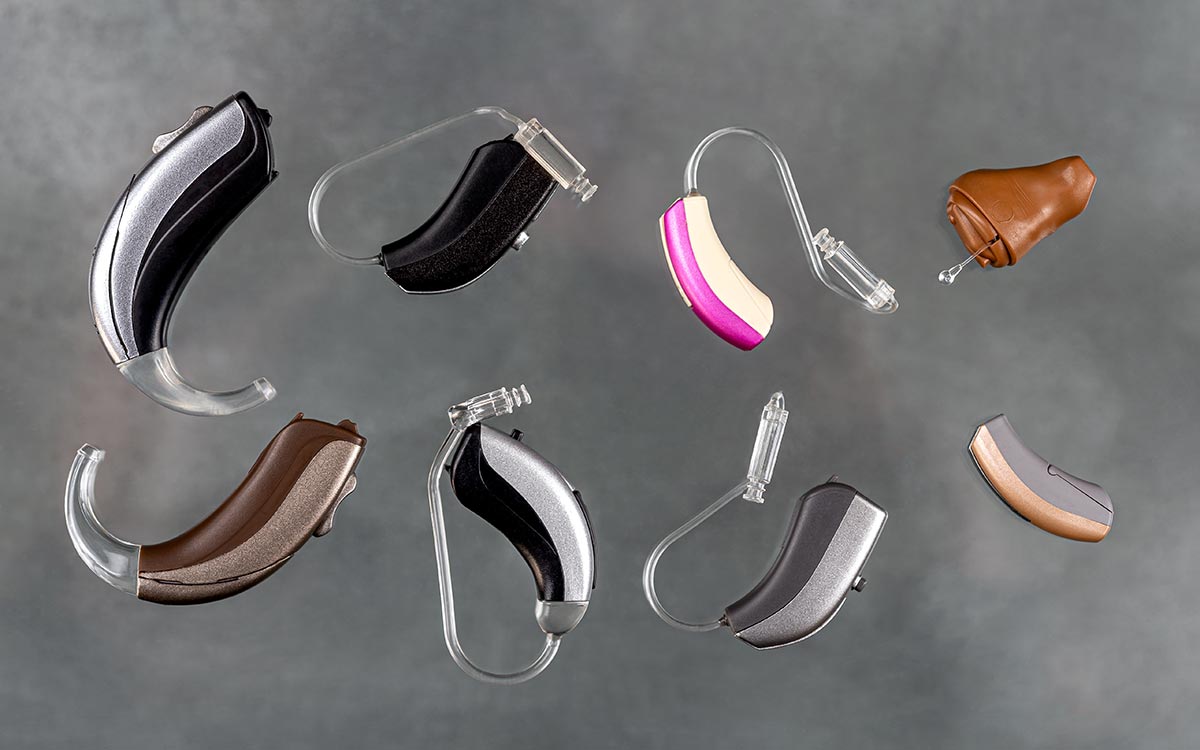
With so many choices in terms of size, style, and technology, the process of picking a hearing aid can feel quite intense. However, a specialized hearing solution exists for every person’s unique needs and daily habits. The key is merely identifying the one that fits you best.
By learning about the distinctions between various hearing aid models, you can move forward with greater confidence and knowledge. This guide explores the most common styles and highlights the specific advantages each one offers.
The ITC (In-the-Canal) Style Detailed
The Definition:
These hearing aids are positioned partly inside the canal, making them visible only slightly from the outside.
The Perks:
- Provides an understated appearance compared to traditional styles
- Specifically contoured to the wearer’s ear for a better fit
- Designed to address low to mid-range hearing impairments
Because they provide both discretion and helpful features, ITC models are an excellent pick for those new to hearing technology.
Invisible-in-Canal (IIC) Hearing Aids
What they are:
These are the smallest custom-made devices on the market today. These devices sit so deeply inside the ear that they are nearly impossible to see.
Why individuals pick them:
- The best option for users prioritizing appearance
- Natural sound quality due to mic placement
- So light and small that users frequently forget they are wearing them
Due to their miniature stature, these aids are generally recommended for low-to-mid-range hearing loss or tinnitus and users who want total invisibility.
Full and Half-Shell ITE Varieties
What they are:
These models occupy either the full or bottom half of the outer ear bowl. They are custom-made to match the shape of your ear.
Why users favor this style:
- A slightly larger frame houses advanced tech and more powerful batteries
- Great for individuals who find smaller devices hard to manipulate
- Suitable for mild to profound hearing loss
The all-in-one style of the ITE design makes it a favorite for those who dislike behind-the-ear equipment.
Behind-the-Ear (BTE) Hearing Aids
What they represent:
An external hearing aid is placed outside the ear for a stable fit. Audio is delivered through a thin tube or a personalized mold in the canal.
Common Reasons:
- Highly versatile and durable
- Can be set to help users with everything from mild to profound loss
- Large enough to house sophisticated software and modern rechargeable technology
BTE devices are an excellent option for individuals seeking reliability, ease of use, and strong amplification.
RIC (Receiver-in-Canal) Overview
Mechanical Setup:
RIC hearing aids appear comparable to BTE models, but the speaker (receiver) sits inside the ear canal rather than inside the device behind the ear.
Why they are favored:
- Known for creating some of the most realistic audio in the industry
- Compact, feather-light, and comfortable
- Excellent for many levels of hearing loss
Thanks to their comfort and aesthetic beauty, RIC devices have become a gold standard.
Extended-Wear Device Facts
Introduction:
These devices are inserted deep in the ear canal by an audiology professional and can stay in place for several weeks at a time.
Why people choose them:
- Perfect for users who want to avoid the routine of handling hearing aids daily
- Offers an entirely discreet solution for hearing health
- Built to endure the stresses of sleep, exercise, and showering without being removed
These models are the best option for a low-maintenance, seamless hearing experience.
Connected Wireless Solutions
Tech Details:
Bluetooth-ready hearing aids allow for an electronic bridge between your hearing technology and your smart devices.
Why go wireless:
- Turn your hearing aids into cordless headphones for all your favorite audio
- Allows for instant, discreet adjustments to your hearing aids through digital software
- Enhances daily life by making technology engagement seamless and clear
Most contemporary RIC, BTE, and ITC hearing aids currently offer an advanced version.
Surgically Placed Middle-Ear Solutions
Technical Definition:
An implantable solution that works by shaking the tiny bones inside the ear to provide amplified audio.
Who they are for:
- Serves as a critical substitute for those who find no success with traditional amplification
- Comfortable alternative for chronic ear issues related to traditional devices
Middle-ear implants are typically recommended only after a comprehensive audiological evaluation by an ENT specialist.
Your Path to Improved Sound
Every hearing aid style provides its own advantages, and the right option depends on your level of hearing loss, comfort preferences, lifestyle, and cosmetic considerations. A hearing care professional can lead you through your options, answer questions, and help you experience how different devices look and feel.
Take the initiative for your auditory health by booking an expert evaluation today. It is the most significant move you can make toward a more vibrant and confident life.
Sources:
https://www.mayoclinic.org/diseases-conditions/hearing-loss/in-depth/hearing-aids/art-
20044116
https://www.hearinglife.com/hearing-aids/types
https://www.nidcd.nih.gov/health/hearing-aids