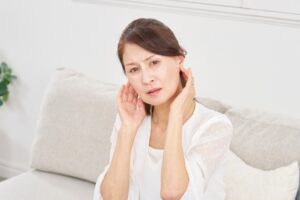

Many seniors notice ongoing humming, whistling, or ringing sounds that lack an outside origin. This condition, referred to as tinnitus, often results in significant anxiety and mental strain for older adults. Although the prevalence of tinnitus increases among seniors, it is crucial to understand that not every case is a standard consequence of the aging process.
Tinnitus can disrupt and diminish your quality of life, and you should not feel forced to accept it as a part of growing older. We are investigating the nuances of tinnitus in seniors to help you determine the cause and discover available paths for relief.
What Is Tinnitus?
Tinnitus is the experience of sound in the absence of outside noise. Individuals often characterize the sound as a high-pitched ring, though buzzing, static, or humming are also common. The experience can be localized in one or both ears, appearing either sporadically or continuously throughout the day.
The National Library of Medicine reports the following statistics regarding the senior population:
- Tinnitus is experienced by about one in five seniors.
- For ten percent of people, tinnitus disrupts daily life.
- Individuals with hearing loss faced double the risk of tinnitus.
When the noise is intrusive or constant, it can result in mental health challenges such as fatigue and severe anxiety. Luckily, there is support available. But first, let’s dive into the difference between age-related and non-age-related tinnitus.
Identifying Tinnitus Caused by Aging
One of the primary drivers of tinnitus in seniors is age-related hearing loss, clinically referred to as presbycusis.
In these cases, tinnitus often:
- Develops gradually over time.
- Occurs alongside hearing loss.
- Takes the form of constant high-pitched ringing.
- Is easier to detect when the surroundings are silent.
When Tinnitus Is Not Just About Aging
Aging isn’t always the sole factor, as many seniors experience tinnitus due to environmental influences, such as:
- Noise damage earlier in life, such as industrial labor, military duty, or music.
- The use of pharmaceuticals, like high-dose aspirin or intensive antibiotics.
- Blood flow problems, including high blood pressure, that affect the ears.
- Earwax buildup, which is frequently seen in advancing age.
The Impact of Untreated Tinnitus
Yet, it is essential to realize that chronic tinnitus takes a toll on:
- Sleep quality.
- Concentration and memory.
- Mood and anxiety levels.
- Overall quality of life.
What You Can Do
- Hearing aids, which frequently lessen tinnitus by improving sound input.
- Sound masking or white noise devices.
- Reviewing and adjusting current pharmaceuticals if they are found to be ototoxic.
- Lifestyle changes to reduce stress and improve sleep.
Contact our team of professionals today to make an appointment. Our staff is dedicated to supporting your auditory health.