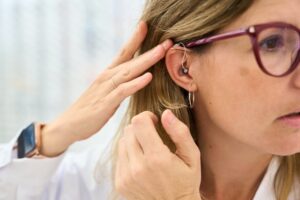
Auditory challenges persist far beyond the entrance of the workplace. It often impacts group briefings, conference calls, and executive presence long before the struggle is visible to others.
Whether you or a direct report are navigating auditory struggles, grasping the impact of hearing loss on workplace output and identified accommodations is vital for professional health.
How Hearing Impairment Impacts Professional Performance
The presence of hearing loss at work is frequently marked by subtle indicators. More than just quiet sound, it negatively influences clarity, verbal speed, and the mental tax on the employee.
Typical professional hurdles associated with hearing impairment involve:
- Difficulty following meetings, especially in group settings
- Issues grasping spoken words on digital platforms and telephone calls
- Mishearing instructions or deadlines
- Rising levels of exhaustion linked to the strain of hearing throughout the day
- Shunning group projects or hesitating to share ideas
- Rising levels of stress, irritation, and loss of confidence
Gradually, these complications can degrade review scores and career outlook, even if the worker is technically proficient.
Will “Listening Harder” Solve Auditory Gaps?
Many people with hearing loss compensate by concentrating intently, reading lips, or mentally filling in gaps. Though this strategy is effective temporarily, it leads to significant burnout.
This ongoing mental tax frequently causes:
- Impaired attention spans for professional tasks
- A drop in overall mental efficiency
- A rise in preventable inaccuracies
- Occupational burnout
Addressing hearing challenges early is all about proactivity and sustainability.
Hearing Loss Rights Under the Americans with Disabilities Act
U.S. law, via the ADA, recognizes hearing impairment as a disability when it markedly restricts communicative abilities.
Essentially, this entitles employees to appropriate support measures that enable productivity without shifting essential job requirements.
Key takeaways consist of:
- Eligibility does not require a diagnosis of profound or severe impairment
- Accommodations should be tailored to job duties
- Employers are encouraged to engage in a collaborative process
Knowing your rights (or your responsibilities as an employer) creates a foundation for better outcomes on both sides.
Effective Accommodations for Professionals with Hearing Loss
The right accommodation depends on the job, environment, and individual needs. Numerous available options are uncomplicated, budget-friendly, and very impactful.
Common examples of auditory accommodations for employees involve:
- External sound-amplification devices for conference rooms and telephones
- Captioning services for virtual meetings
- Digital tools for immediate transcription of spoken dialogue
- Communication hardware designed with subtitles or enhanced sound
- Quiet meeting spaces or seating adjustments
- Documentation provided after oral briefings
- Optical signals replacing audible alerts
- Varied interaction methods such as instant messaging or digital folders
Often, small adjustments lead to big improvements in clarity and confidence.
Managing Auditory Health for Career Achievement
If auditory needs are ignored in the office, staff might become isolated, work too hard to catch up, or feel alienated. These factors can degrade collaborative performance and talent retention.
In opposition, early and forward-thinking support:
- Enhances verbal exchange and project precision
- Decreases listener fatigue and emotional stress
- Fosters professional equity and a positive work atmosphere
- Helps employees perform at their true level
Early intervention supports the creation of a culture where everyone flourishes.
Starting a Dialogue About Workplace Hearing Needs
It can be stressful to open a conversation about auditory struggles. Many people worry about stigma or appearing less capable.
Effective strategies for the conversation include:
- Emphasizing the goal of clear interaction over specific hurdles
- Identifying specific situations where support would help
- Stressing the importance of output and team synergy
- Arriving with ideas for fixes rather than just highlighting problems
Healthcare providers and audiologists can also help document needs and recommend appropriate accommodations.
Hearing Care Is Part of Career Care
Auditory wellness is intrinsically linked to office interaction, management skills, and career fulfillment. Provided with appropriate tools, those with hearing impairment are highly successful in all industries.
You are not without resources if hearing loss is interfering with your career. Taking action on workplace hearing needs via strategic support is a vital move for better interaction, output, and health.
If you’d like to talk more about supporting your hearing health in the workplace, call our specialists at our office today. Together, we will provide the foundation for clearer hearing and continued professional success.