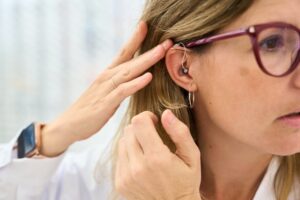

While auditory decline is statistically prevalent, pervasive misconceptions often deter individuals from pursuing clinical intervention. And with hearing loss, getting the right care at the right time is critical. Subscribing to auditory misinformation can hinder treatment timelines and compromise social connectivity.
If you have concerns about your hearing, knowing the truth (and the myths!) can help you make informed decisions about your health and proceed with greater confidence. The following analysis deconstructs seven common hearing fallacies using modern audiological data.
Myth: Hearing Impairment is Solely a Condition of Aging
Although aging affects the ears, hearing loss is not exclusive to the elderly population. Auditory challenges in children and young adults often stem from noise pollution, heredity, or pharmaceutical side effects.
Viewing hearing impairment through an age-restricted lens delays diagnosis for millions of younger individuals.
Myth Two: Auditory Awareness Equals Perfect Hearing
Hearing loss doesn’t have to mean complete deafness. Often, the issue is not a lack of sound but a lack of speech intelligibility in social settings. Audiology recognizes a diverse spectrum of impairment levels that fall short of total deafness.
Signs of decline often involve poor speech-in-noise recognition and significant mental strain after talking with others. These markers represent initial auditory shifts that warrant a professional evaluation.
Hearing Impairment: More Than a Social Nuisance
Ignoring hearing loss creates systemic health risks that impact the entire neurological system. Research has linked unmanaged hearing loss to social withdrawal, increased stress, cognitive strain, and even a higher risk of depression.
Proactive hearing care is a vital component of maintaining cognitive health and emotional stability.
Do Hearing Aids Damage Your Natural Hearing?
The fear that hearing aids weaken the natural ear is a persistent but medically unfounded myth.
Hearing aids do not damage your ears. They provide customized amplification that fills the exact deficits revealed during your professional assessment. By stimulating the auditory nerve, these devices help prevent the “unlearning” of speech sounds in the brain.
Myth Five: The Aesthetic Stigma Fallacy
The landscape of audiological hardware has undergone a radical digital transformation. The latest generation of devices offers massive amplification capability in a nearly weightless form factor. Patients can now choose custom-molded options that sit deep within the ear canal for total discretion.
Modern tech includes advanced directional microphones and wireless streaming directly to the patient’s ears.
Myth: Small Hearing Changes Don’t Warrant Clinical Action
Don’t underestimate “slight” hearing changes; they still disrupt the natural flow of information to the brain. Prompt intervention mitigates listening fatigue by making sound processing effortless for the neurological system.
Maintaining communicative fluency is far easier when you address auditory shifts in their infancy.
Myth Seven: The Generic vs. Personalized Care Fallacy
Store-bought devices provide “blanket” amplification rather than the targeted help your ears likely need. A clinical hearing test allows an expert to program a solution specific to your biological requirements.
The difference between “generic” and “custom” is measured in both physical comfort and speech understanding.
Taking Control: Overcoming Misinformation for Better Hearing
While aural changes are intimidating, delaying care only leads to more complex communicative issues. Relying on misinformation ensures that your auditory challenges will become more difficult to manage. A professional assessment is an easy, stress-free way to gain total clarity on your ear health.
If your ears feel “different,” scheduling a formal evaluation is the responsible next step for your health. Prompt action protects your ability to engage with the world and maintains your mental well-being.
If you are ready for a professional assessment, our specialists are standing by to assist. Call us today for a consultation.