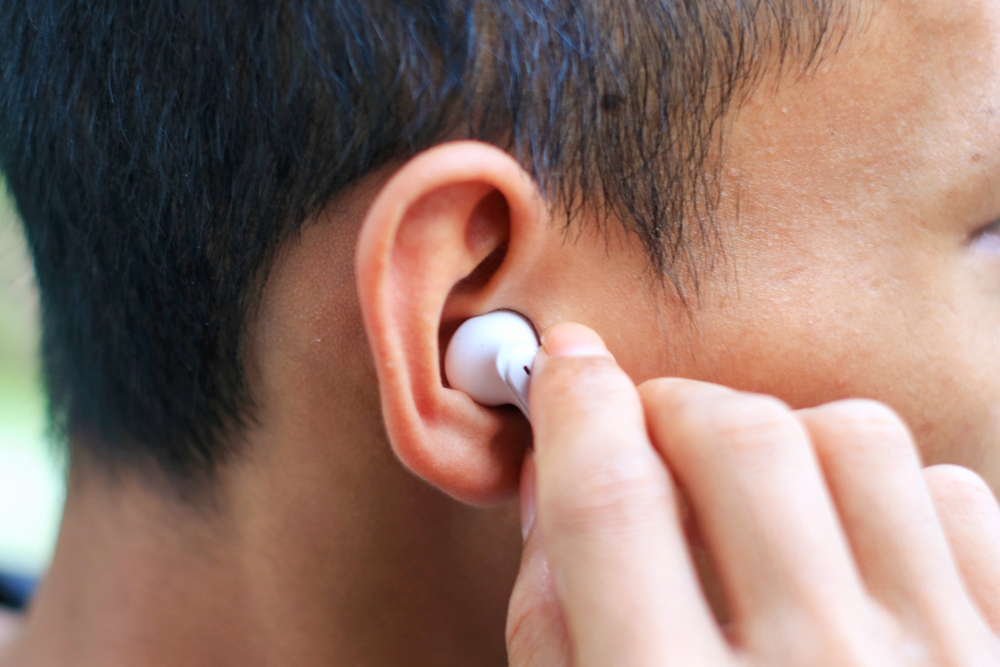
In modern public spaces, the sight of a young person without some form of in-ear audio is rare. While traditional headphones are more substantial in size, adolescents frequently utilize them to create a private acoustic environment. We all enjoy listening to music, no matter our age, but younger people rely on music to pass the time. So, can headphones cause hearing loss since they are so close to our ears? Ultimately, hearing health depends on the management of volume and duration rather than the device category.
The Biological Threshold of Auditory Exposure
The right music can induce a state of relaxation, provide spiritual comfort, or drastically boost energy levels. Depends on the music. Utilizing personal audio devices is considered a social courtesy, allowing for private enjoyment in communal spaces. This is a widely appreciated social habit that helps maintain a respectful atmosphere in shared transport settings.
The primary clinical concerns center on the precise limits of sound pressure and the length of the listening session. In reality, excessive sound pressure is universally hazardous to the delicate structures of the cochlea. Combining high-intensity sound with extended exposure times can lead to permanent sensorineural damage. Since hearing shifts occur incrementally, the window for prevention has often closed by the time a patient seeks help.
The Key Dangers of Headphones and Earbuds
Volume is the key danger for noise-induced hearing loss. Despite this, the cumulative hours of exposure are just as dangerous as a single loud blast.
- The National Institutes of Health (NIH) recommends listening at below 70 decibels. Even after long exposure, you won’t have any hearing loss.
- Louder noises will cause hearing damage faster than quieter sounds.
- Implement the 60/60 safety protocol by capping volume at 60% and taking a break every 60 minutes.
- Ensuring long-term hearing health requires a proactive reduction in volume and strict limits on listening time.
Warning Signs of Hearing Loss
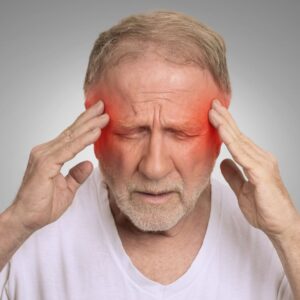
If you notice muffled speech, struggle with background noise, experience **tinnitus**, or constantly require others to speak up, a professional evaluation is necessary.
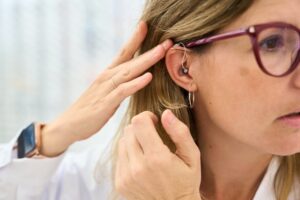
If you suspect a decline in your hearing, contact our office to begin a professional diagnostic process.